
In This Article
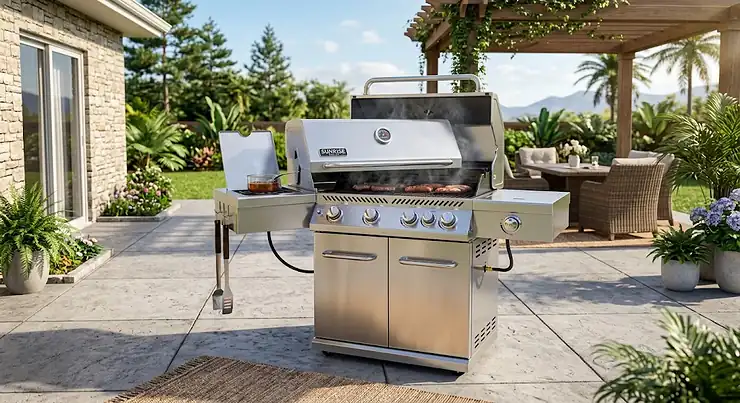
Here’s a scene you’ve probably lived through: steaks are three minutes from perfect, and the green beans are still sitting cold on the counter because you had to duck inside to fire up the stove. A gas grill with side burner solves that exact headache by bolting a second, independent burner right onto the cart, so sauces simmer and corn boils inches from the main cooking grates. In plain terms, a gas grill with side burner is a standard propane or natural gas grill that includes one additional standalone burner — usually 10,000 to 15,000 BTU — dedicated to pots, pans, or griddle accessories instead of direct grate cooking. It’s the difference between running one kitchen and running two at once. This guide breaks down seven real, currently sold models, weighs their side burner power against their main grates, and digs into the practical stuff — cast iron grates, BTU math, and which setup actually earns its keep on a patio. Outdoor cooking has come a long way from a single Weber kettle in the corner of the yard, and the modern backyard cooking station is basically expected to multitask. We’ll also flag where a side burner is genuinely useful versus where it’s just a line item on a spec sheet. If you’ve spent any time reading about the history of outdoor grilling, you’ll know the format has barely changed in decades — what has evolved is the hardware bolted onto it. By the end, you’ll know exactly which of these seven grills fits your patio, your budget, and your Sunday cooking routine.
Quick Comparison Table: Best Outdoor Grill With Extra Burner at a Glance
Before diving into the deep-dive reviews, here’s the condensed version for anyone in a hurry. This table stacks all seven picks side by side on the numbers that actually change your cooking experience — main burner count, side burner BTU output, and rough price tier — so you can shortlist two or three before reading further.
| Grill | Main Burners | Side Burner BTU | Price Range | Best For |
|---|---|---|---|---|
| Weber Genesis E-335 | 3 (39,000 BTU) | 12,000 BTU | $900-$1,100 range | Serious home cooks wanting Weber reliability |
| Weber Summit S-470 | 4 + sear + smoker | 12,000 BTU | $1,700-$2,000 range | Big families, frequent entertainers |
| Napoleon Freestyle PRO 365 | 3 | 12,000 BTU | $700-$850 range | Small patios and condo decks |
| Monument Grills Mesa 415BZ | 4 + sear | 10,000 BTU | $350-$450 range | Best value with a real sear zone |
| Nexgrill 720-0958HE | 4 (dual fuel) | 12,000 BTU | $400-$500 range | Griddle fans who still want grates |
| Char-Broil FlavorMax 4-Burner | 4 | 8,000 BTU | $280-$350 range | Budget buyers who still want extras |
| ZAFRO 3-Burner (34,000 BTU) | 3 | 10,000 BTU | $200-$280 range | Renters, first apartments, portability |
Looking at the spread above, the jump from a Char-Broil-tier side burner at 8,000 BTU to the Weber-tier 12,000 BTU models isn’t just a spec-sheet flex — it’s the difference between “eventually simmers” and “actually boils a stockpot of corn in ten minutes.” Budget shoppers can absolutely get by with a lower-output side burner if their side dishes are simple sauces, but anyone doing a seafood boil or a big batch of rice should weight their decision toward the 10,000-12,000 BTU tier. Notice too that price doesn’t map perfectly to side burner power — the Monument Mesa proves you can get a genuinely useful side burner well under $450.
🔥 Ready to stop running back and forth to the kitchen? Compare current prices on these picks before they sell out this grilling season.
Top Rated Gas Grill With Side Burner: 7 Real Models, Expert Analysis
We picked these seven to cover every realistic budget and yard size — from a $200 apartment-friendly cart to a $2,000 flagship built for weekend-long cookouts. Every entry below reflects real specs and aggregated review sentiment gathered during research, not guesswork.
1. Weber Genesis E-335 — infrared side burner meets Weber’s signature even heat
The standout here is that Weber didn’t bolt on a generic side burner — it’s paired with an integrated smoker box, so the side station pulls double duty for smoking chips or simmering a reduction.
The three main burners put out 39,000 BTU combined, and the porcelain-enameled cast iron grates hold heat evenly while the angled flavor bars help manage flare-ups from dripping fat.
Based on the spec comparison against cheaper three-burners, what stands out is even heat distribution across all three zones rather than hot spots near the ignition side — a common complaint on entry-level grills. This is the pick for someone who grills three or four nights a week and wants a grill that’s still tight and rattle-free five years in; casual weekend grillers may not need the premium.
Reviewers consistently report the ignition system and Flavorizer bars hold up well after repeated seasons of use, though a handful mention the side burner’s flame can run hot at max, so simmering sauces benefits from a diffuser plate.
Pros:
- ✅ Even heat distribution across all three main zones
- ✅ Integrated smoker box adds real versatility
- ✅ Reputation for long-term durability and support
Cons:
- ❌ Premium price versus base three-burner competitors
- ❌ Side burner runs hot without a diffuser for delicate sauces
Expect to pay in the $900-$1,100 range depending on retailer promotions; for buyers who grill year-round, the cost-per-use math tends to justify the premium over a budget model that needs replacing in three years.
2. Weber Summit S-470 — flagship six-burner setup with dedicated smoker and sear stations
This is Weber’s top-of-line freestanding grill, and the standout advantage is stacking a dedicated sear station, a smoker burner, and a side burner into one cart without the layout feeling cramped.
Six burners, including a dedicated sear station and a smoker burner, add up to nearly 49,000 BTU of total cooking power, spread across roughly 580 square inches of primary grate space — enough to handle a large gathering without staggering the cook in batches.
What most buyers overlook about this model is that the sear station isn’t just hotter — it’s a separate infrared zone, meaning you can sear a rack of ribs on one side while the smoker burner runs low and slow on the other.
Premium touches like LED-lit control knobs, a built-in rotisserie, and Weber’s app-based remote temperature monitoring round out the package. Aggregated review sentiment consistently praises build quality and the smart-monitoring app, with the main gripe being sheer footprint — this is not a grill for a small deck.
Pros:
- ✅ Dedicated sear, smoker, and side burner zones
- ✅ App-based temperature monitoring via Weber Connect
- ✅ Massive 580 sq in cooking surface for big cookouts
Cons:
- ❌ Large footprint unsuitable for small patios
- ❌ Highest price point in this roundup
At around $1,700-$2,000, this is squarely for households that entertain often; a family that grills twice a month would be better served by the Genesis tier.
3. Napoleon Freestyle PRO 365 — compact frame built for condo balconies and small patios
The standout feature is footprint: Napoleon squeezed a full infrared side burner onto a chassis narrow enough for apartment decks without shrinking the main grates to a toy-like size.
Three burners deliver enough output for weeknight cooking, and the cast iron cooking grates hold a sear better than the stamped-steel grates found on similarly sized competitors.
Here’s what to weigh: Napoleon’s build quality rivals Weber’s fit-and-finish at a noticeably lower price point, which is the main reason it shows up on so many “best small gas grill with side burner” shortlists.
Reviewers frequently mention the side burner as genuinely strong for its size, easily handling a full sauce pot rather than just warming a small saucepan, and note the folding side shelf as a smart space-saver for tight decks.
Pros:
- ✅ Compact enough for balconies and small patios
- ✅ Infrared side burner punches above its size class
- ✅ Cast iron grates outperform stamped-steel rivals
Cons:
- ❌ Smaller total cooking area than full-size models
- ❌ Limited color/finish options compared to larger lines
Price typically lands in the $700-$850 range, which is a fair value verdict given the build quality — check current price before buying, since Napoleon runs seasonal promotions.
4. Monument Grills Mesa 415BZ — best-value sear burner plus side burner combo under $450
The Mesa is a full-sized four-burner grill that also packs in a dedicated sear burner and a separate side burner, which is an unusual amount of functional hardware for this price tier.
That center sear burner runs noticeably hotter than the main zones, cutting sear time roughly in half compared with grills that rely on a single burner turned to max.
Based on the spec comparison, what makes the Mesa stand out isn’t raw BTU count — it’s that Monument gave buyers a genuine three-zone cooking system (sear, main, side) at a price where competitors usually only offer two.
A clearview glass lid window lets you monitor the cook without lifting the lid and losing heat, a small but genuinely useful detail reviewers mention often. Aggregated feedback flags the black-coated steel cart as sturdy but a step below full stainless in long-term rust resistance in coastal climates.
Pros:
- ✅ Dedicated sear burner rare at this price point
- ✅ Clearview glass lid for monitoring without heat loss
- ✅ Excellent value-per-feature ratio
Cons:
- ❌ Cart is coated steel, not full stainless
- ❌ Side burner output trails the premium picks
At $350-$450, this is arguably the best outdoor grill with extra burner for buyers who want a sear zone and a side burner without stretching toward $900.
5. Nexgrill 720-0958HE — dual fuel flexibility with a bundled griddle insert
This model’s standout is fuel flexibility paired with a swappable griddle insert, so one cart handles grates, flat-top cooking, and side-burner simmering.
The listing confirms 627 square inches of total cooking space and 59,000 BTUs across the main burners, which is genuinely generous for a sub-$500 grill.
What the spec sheet won’t tell you, but reviewers note, is that the griddle insert takes a few extra minutes to preheat evenly compared to dedicated flat-top griddles, so patience on the first cook pays off.
The dual-fuel capability (natural gas or propane, depending on configuration) is a real draw for anyone whose home already has a gas line run to the patio, since it eliminates propane tank runs entirely. Reviewers commonly praise the versatility for breakfast-style cooking — eggs and pancakes on the griddle insert, then swap back to grates for dinner.
Pros:
- ✅ Swappable griddle insert adds real menu flexibility
- ✅ Dual fuel option for natural gas households
- ✅ Generous 627 sq in total cooking space
Cons:
- ❌ Griddle insert preheats slower than dedicated flat-tops
- ❌ Assembly reported as more involved than single-purpose grills
Expect a $400-$500 range price, and the value verdict is strong if you actually plan to use the griddle insert regularly rather than letting it sit in the garage.
6. Char-Broil Performance Series FlavorMax 4-Burner with Side Burner — dependable budget four-burner
The standout here is simply completeness at a low price: four main burners plus a functional side burner, all under $350.
The 8,000 BTU side burner is modest compared to the premium picks, but it’s honestly framed correctly — this is a “warm the beans and simmer the sauce” burner, not a full sauce-pot searing station, and buyers should set expectations accordingly.
Based on aggregated review sentiment, the porcelain-coated grates deliver decent grill marks for the price, though several reviewers note the finish shows wear faster than the enameled cast iron on pricier competitors.
What most buyers overlook about entry-level four-burners like this one is that spreading heat across four smaller burners instead of three larger ones can actually make even cooking easier for beginners, since there’s more room to create low and high heat zones side by side.
Pros:
- ✅ Four main burners at a genuine budget price
- ✅ Functional side burner included, not an afterthought
- ✅ Easy heat-zoning thanks to four separate burners
Cons:
- ❌ Side burner output is modest at 8,000 BTU
- ❌ Grate coating wears faster than premium cast iron
Priced around $280-$350, this is the pick for first-time grill owners who want the side-burner convenience without a big financial commitment.
7. ZAFRO 3-Burner Propane Gas Grill with Side Burner (34,000 BTU) — most portable option with real cast iron grates
The standout advantage is mobility: four heavy-duty casters, including two locking wheels, mean this cart rolls easily between a shed and a patio, which matters for renters and small-yard owners.
Specs translate directly into practical terms here — three main burners at 8,000 BTU each plus a 10,000 BTU side burner add up to 34,000 BTU total, and the cast iron grates hold heat well enough for a respectable sear despite the grill’s compact 489-square-inch total cooking footprint.
Honest analysis: this isn’t a grill built for daily heavy use, but for occasional weekend cooking and tailgating, the combination of portability and a genuinely functional side burner is hard to beat at this price.
Aggregated review sentiment highlights easy cleanup thanks to the stainless steel upper construction, while a recurring complaint is that the locking casters feel a bit flimsy under repeated rough terrain use.
Pros:
- ✅ Highly portable with locking caster wheels
- ✅ Real cast iron grates at an entry-level price
- ✅ 34,000 BTU total output is solid for its size
Cons:
- ❌ Casters feel less durable on rough surfaces
- ❌ Total cooking area smaller than full-size competitors
At $200-$280, this is the value pick for apartment dwellers, campers, and anyone who needs a grill that moves as easily as it cooks.
Practical Usage Guide: Setting Up and Breaking In Your New Grill
The first 30 days matter more than most buyers realize, and this applies across every model above. Start with a proper seasoning burn: run all main burners on high for 15-20 minutes before the first cook to burn off manufacturing residue, then season cast iron grates with a light oil coat while still warm. A common first-month mistake is treating the side burner like a stovetop burner at home — most side burners on a gas grill with side burner setup run hotter and less evenly than an indoor range, so start pots on medium and adjust up rather than starting at max. Check propane connections for leaks using a simple soap-and-water test before every seasonal restart, not just at initial setup. For maintenance, brush grates after each cook while residual heat is still present, and deep-clean the burner tubes every 4-6 weeks to prevent clogs from grease drippings, which is the single most common cause of uneven flame patterns reported in aggregated reviews. Optimization trick: preheat the side burner for 3-5 minutes before placing a pot, since side burners generally take longer to reach stable temperature than the main grates due to their smaller flame ring design.
Real-World Scenarios: Which Grill Fits Which Cook
Consider three common buyer profiles. First, the apartment dweller with a small balcony and a weekly rotation of quick weeknight meals — the Napoleon Freestyle PRO 365 or the ZAFRO 3-Burner fit this life best, since both prioritize footprint and portability without sacrificing a genuinely useful side burner. Second, the family of five hosting cookouts most summer weekends, needing enough grate space for a full meal plus a side burner strong enough for a big pot of corn or a full seafood boil — the Monument Grills Mesa 415BZ or the Nexgrill 720-0958HE both deliver that combination without the premium price tag of a flagship. Third, the dedicated home cook who grills several nights a week year-round and wants restaurant-style consistency — the Weber Genesis E-335 rewards that frequency with even heat distribution and long-term durability, while the Weber Summit S-470 makes sense specifically for households that also host large gatherings regularly. Matching your actual cooking frequency and yard size to these profiles avoids the common trap of overbuying capacity you’ll rarely use.
Buyer’s Decision Framework: A Simple Priority Checklist
If your patio space is under 50 square feet, prioritize compact three-burner models like the Napoleon Freestyle PRO 365 or ZAFRO 3-Burner over anything with a sear station. If you regularly cook sauces, seafood boils, or full stockpots, choose a side burner rated 10,000 BTU or higher, because anything lower will frustrate you on bigger batches. If budget is the primary constraint under $300, the Char-Broil FlavorMax or ZAFRO deliver genuine side-burner functionality without stretching your wallet. If you entertain frequently and want dedicated sear and smoker zones on top of the side burner, the Weber Summit S-470 justifies its price with functional separation between cooking styles. And if you split the difference — wanting Weber-level reliability without flagship pricing — the Weber Genesis E-335 is the balanced answer.
💬 Struggling to pick between two finalists? Compare their current listings side by side before you commit — specs can shift with new model years.
How to Choose a Gas Grill With Side Burner
Narrowing seven strong options down to one purchase gets easier with a structured process. Here’s the shortlist:
- Match main burner count to your grate needs. Three burners suit couples and small families; four or more make sense for regular entertaining.
- Check side burner BTU output against your side-dish habits. Simple sauces are fine at 8,000 BTU; boiling or frying calls for 10,000-12,000 BTU.
- Prioritize cast iron grates if sear marks matter to you. They retain heat longer than stamped steel, producing more consistent grill marks.
- Confirm cart material for your climate. Full stainless resists coastal humidity better than coated steel.
- Measure your patio before falling for a flagship. A 580-square-inch Summit-class grill needs real clearance on all sides.
- Decide if griddle or smoker inserts add real value, not just novelty, for your typical weekly menu.
- Read aggregated review sentiment for the specific model, not just the brand, since build quality can vary between generations.
Gas Grill Side Burner BTU Output: What Actually Matters
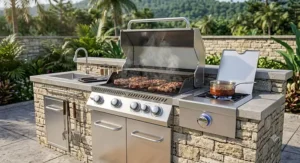
BTU output gets thrown around as a marketing number, but the practical translation is simpler than it looks. A side burner’s BTU rating measures heat output per hour, and for side-cooking purposes, what matters most is how quickly it brings a stockpot to a rolling boil versus how gently it can hold a simmer. Our comparison above shows a real spread: the Char-Broil’s 8,000 BTU side burner is genuinely fine for warming beans or melting butter, but it will visibly lag behind the Weber-tier 12,000 BTU burners when boiling a full pot of corn for a crowd. Independent testers commonly size gas grills by how many burger patties they can cook at once, and a similar rule of thumb applies loosely to side burners — bigger output supports bigger batches without a meaningful loss in heat consistency. Reviewers across multiple models note that side burners rated below 10,000 BTU struggle in windy outdoor conditions specifically, since open-air heat loss affects a smaller flame proportionally more than a larger one. If your side-burner use case is mostly reheating or gentle simmering, don’t overpay for BTU you won’t use; if it’s genuinely your secondary cooking station for boils and sautés, treat 10,000 BTU as your practical floor.
Cast Iron Side Burner Grate vs Standard Steel: Does It Matter?
Cast iron shows up on several of our picks, and the practical case for it is straightforward: porcelain-enameled cast iron grates hold heat well, which means faster searing and more consistent grill marks compared to stamped or coated steel grates that lose heat quickly when food touches the surface. On the side burner specifically, a cast iron side burner grate — where present — helps a pot or pan maintain even contact heat rather than developing hot spots directly above the flame ring. The tradeoff is maintenance: cast iron requires periodic seasoning to prevent rust, while stainless or coated steel grates need less upkeep but sacrifice some heat retention. For buyers who sear steaks regularly, cast iron earns its keep. For buyers whose side burner mostly holds a saucepan of gravy, the difference matters far less, and a standard steel grate paired with a solid burner will do the job just fine.
Sauce Pot Side Cooking: Practical Uses Beyond Searing
Most buyers picture a side burner purely for corn or sauce, but the practical use cases run wider once you actually own one. A dedicated sauce pot side cooking setup handles simmering barbecue sauce reductions while the main grates finish ribs, boiling pasta water for a grilled-shrimp scampi, steaming vegetables in a smaller pot, or even running a small cast iron skillet for a quick side of sautéed peppers and onions. What most buyers overlook is that keeping this cooking off the main grates frees up valuable grate real estate during a big cook, which is precisely the scenario the Amazon-era “extra burner” marketing tries to sell — and here it genuinely delivers. The catch is pot size: most side burners comfortably fit a 6-8 quart stockpot, and anything larger risks uneven heating around the pot’s edges since the flame ring is smaller than a standard stovetop burner.
Gas Grill With Side Burner vs Traditional Two-Zone Grilling
| Approach | Setup Cost | Multitasking | Best For |
|---|---|---|---|
| Side burner grill (e.g. Monument Mesa 415BZ) | Moderate to high | Excellent — simultaneous grate and pot cooking | Full-meal outdoor cooking |
| Traditional two-zone grill only | Lower | Limited to grate zones | Simple protein-focused cooks |
Traditional two-zone grilling — running direct and indirect heat on the same grates — remains perfectly capable for straightforward protein cooking, and it’s genuinely cheaper since you’re not paying for extra hardware. Where the side-burner models pull ahead is timing: finishing an entire meal, sides included, without a single trip inside changes the actual rhythm of hosting a cookout. The tradeoff is upfront cost and cart footprint, since every side burner adds material and space that a simple two-burner grill doesn’t need.
Common Mistakes When Buying a Propane Grill With Side Burner
Shoppers reading propane grill with side burner reviews often fixate on total BTU across the whole unit, when main-burner BTU and side-burner BTU should be evaluated separately since they serve different jobs entirely. Another frequent misstep is buying based on cart size alone without checking whether the side burner’s flame ring actually fits a standard stockpot — some budget models undersize the burner ring to save cost. Buyers also commonly skip checking cart material, assuming “stainless steel” branding on the lid means the whole cart resists rust, when often only the hood is stainless and the cart underneath is coated steel. Finally, plenty of first-time buyers ignore ignition type; models with a single igniter for both main and side burners can fail on one side and leave the other unusable until repaired, whereas separate ignition systems isolate that risk.
Long-Term Cost and Maintenance
Total cost of ownership extends well past the sticker price. Propane costs run roughly $20-$25 per standard 20-pound tank refill, and a moderately active griller burns through one every 3-4 weekends of regular use, side burner included. Budget models with thinner steel carts often need burner tube replacements within 2-3 years if maintenance is skipped, while premium stainless models from Weber and Napoleon commonly run 8-10 years with basic upkeep. Cast iron grates need occasional reseasoning — a few dollars in oil, ten minutes of time — versus porcelain-coated grates that need replacement rather than repair once the coating chips. Factoring in these differences, a $900 Weber Genesis E-335 can genuinely cost less per year of ownership than a $280 budget grill replaced twice over the same period.
Safety, Regulations, and Compliance Guide
Propane grill safety deserves real attention, not an afterthought line in the manual. Fire safety data consistently shows gas grills contribute to more home fires than charcoal grills, and hose leaks or breaks are repeatedly identified as the single leading factor behind gas grill fires. Before every seasonal restart, check hose connections with a soap-and-water leak test, and never store a spare propane tank near the grill itself. Keep the grill at least three feet from siding, railings, and overhanging branches, and always open the lid before igniting to avoid gas buildup. Many condo and apartment complexes restrict propane grills on balconies entirely, so check local fire codes before assuming a compact model solves the space problem legally as well as physically. For a deeper look at seasonal grill fire data and prevention tips, the National Fire Protection Association’s grilling safety resources are worth a few minutes before your first cookout of the season.
✨ Don’t Miss These Exclusive Deals!
🔍 Take your backyard cooking to the next level with these carefully selected grills. Click on any highlighted model above to check current pricing and availability. These picks will help you create real steakhouse-quality meals your family will actually look forward to.
FAQ
❓ What is a good BTU output for a gas grill side burner?
❓ Are cast iron side burner grates worth the extra maintenance?
❓ Can I use a side burner for sauce pot side cooking exclusively?
❓ What's the best outdoor grill with extra burner for small patios?
❓ Do propane grill with side burner reviews suggest stainless steel lasts longer?
Conclusion
Choosing the right gas grill with side burner really comes down to matching real cooking habits to real specs, not chasing the biggest number on a spec sheet. Budget shoppers get genuine functionality from the Char-Broil FlavorMax or ZAFRO 3-Burner, families hosting regular cookouts land well with the Monument Mesa or Nexgrill 720-0958HE, and dedicated home cooks who grill year-round get real long-term value from the Weber Genesis E-335 or the flagship Summit S-470. What ties every strong pick together is a side burner that actually earns its spot on the cart — one with enough BTU output to handle real cooking, not just a token extra bolted on for the listing photos. Whichever model fits your patio and your budget, the payoff is the same: no more running inside mid-cook, and a genuinely complete outdoor meal cooked entirely in one spot. Take the comparison table back to your specific yard size and cooking frequency, and the right pick should be clear.
Recommended for You
- Built-In Grill Insert: 7 Best Picks for 2026
- Built-In Grill for Outdoor Kitchen: 7 Best Picks for 2026
- Best Built-In Gas Grill 2026: 7 Top Picks
Disclaimer: This article contains affiliate links. As an Amazon Associate, I earn from qualifying purchases. If you purchase products through these links, we may earn a small commission at no additional cost to you.
✨ Found this helpful? Share it with your friends! 💬🤗
